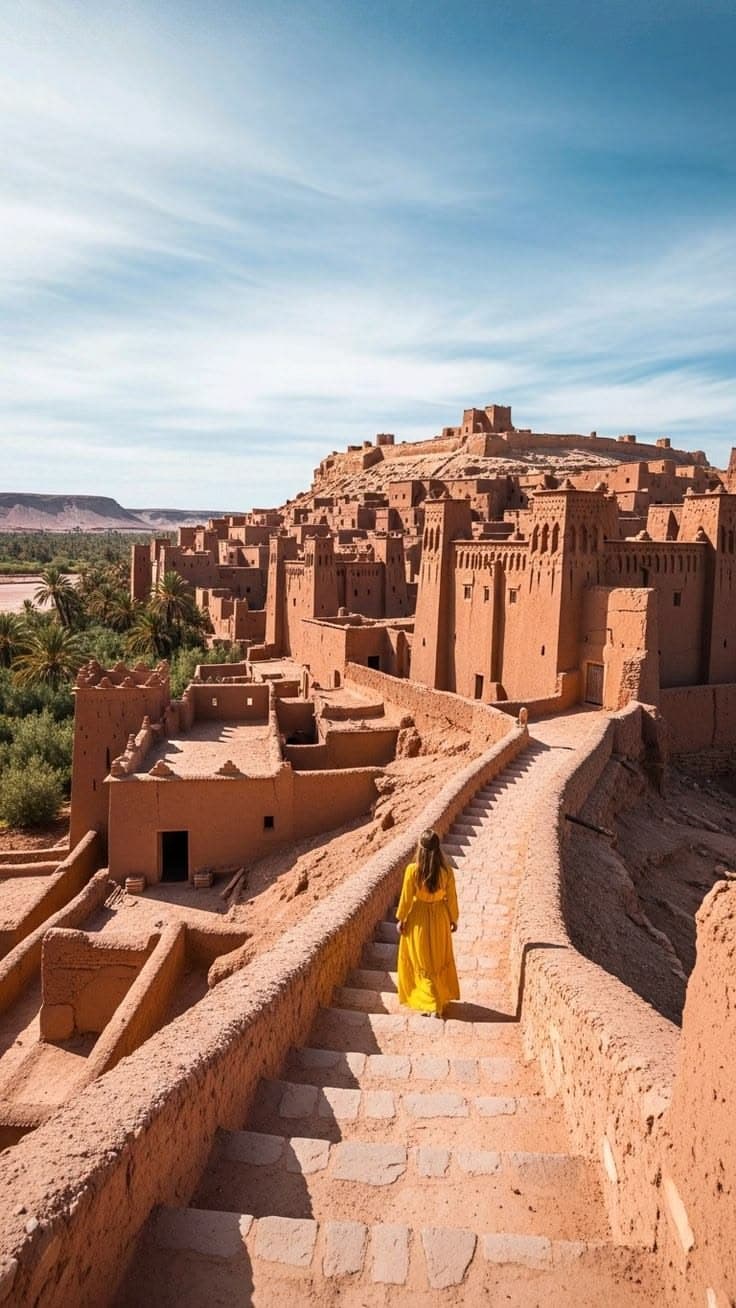
Yes — Morocco is one of the safest countries in North Africa for American travelers. The U.S. State Department rates Morocco at Level 2, the same designation as France, Spain, and the United Kingdom. A Marrakech-based operator's honest answer on what the data says, what the real risks are (and how to avoid them), and how a private guide turns "safe" into "easy."
Yes — Morocco is one of the safest countries in North Africa for American travelers. The U.S. State Department maintains Morocco at a Level 2 advisory — the same designation it applies to France, Spain, and the United Kingdom. With around 14 million tourists arriving each year, the overwhelming majority of trips end without any incident more serious than a missed flight.
This is the question we field most often on WhatsApp: a couple from California, a family from Texas, a solo traveler from New York — all asking some version of "is Morocco actually safe?" The honest answer, after a decade of routing private trips through every region of the country, is yes, with a few caveats that this article spells out plainly. No fear-mongering, no glossing over real risks, no salesy positioning. Just the version a local operator would tell their own siblings if they were planning a first trip.
“Most of the safety questions Americans ask me have answers that surprise them. The Marrakech medina at night is more comfortable than half the cities I have visited in Europe. The most common "incident" we see on a private trip is a guest leaving their hat in a riad. The country wants you here.”
— Youssef El Alaoui, Lead Morocco Specialist
What does the U.S. State Department say about Morocco in 2026?
Morocco currently sits at Level 2 — Exercise Increased Caution on the U.S. State Department's four-tier travel advisory scale. That is the same level applied to France, Spain, the United Kingdom, Germany, and Italy — countries no one would call dangerous.
The Level 2 framing is a recommendation to be aware of crime targeting tourists (mostly pickpocketing in dense souks) and to avoid demonstrations. It is not a warning against travel. The State Department's actual "Do not travel" tier is Level 4 — applied today to places like Libya, Sudan, and parts of Ukraine. Morocco is in a different category entirely. The U.S. Embassy in Rabat plus consular offices in Casablanca operate normally; American passport holders enter visa-free for stays up to 90 days.
Is Morocco actually dangerous? What the crime data says.
Short answer: no, and the numbers are not subtle. Morocco's violent-crime rate per 100,000 residents is materially lower than the United States average, and dramatically lower than a number of mid-sized American cities. Tourists are, statistically, much less likely to encounter violent crime in Marrakech than in many of the cities they are flying from.
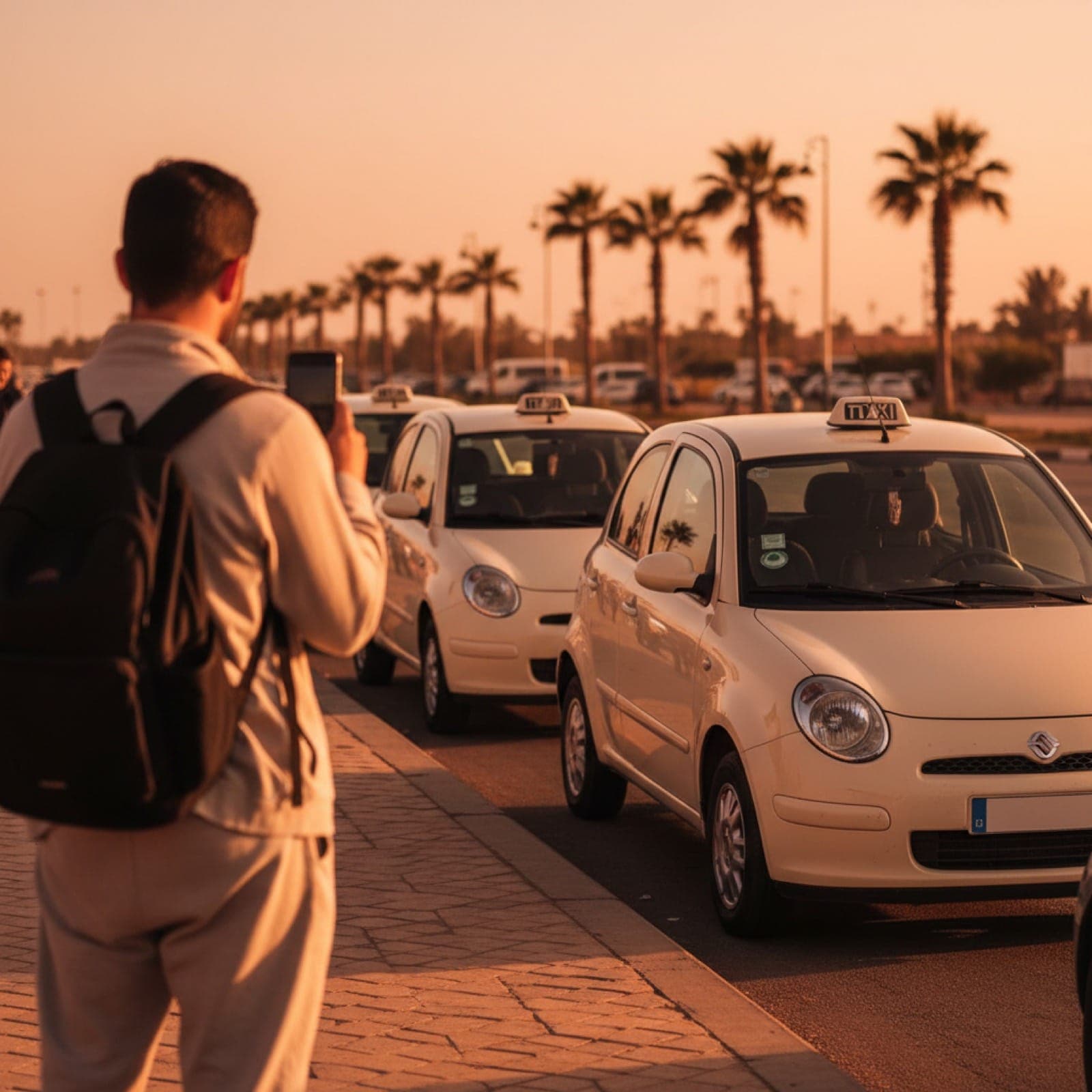
Where Morocco does rank closer to global averages is on petty crime — pickpocketing in crowded souks, occasional taxi over-charging at airports, and the long-running medina hustle where someone offers you unsolicited "directions" and then expects a tip. These are friction events, not safety events. None of them require physical caution; they require a private driver who knows what a fair taxi fare looks like and a guide who keeps you out of the cul-de-sacs where the hustle works.
Is Marrakech safe for first-time visitors?
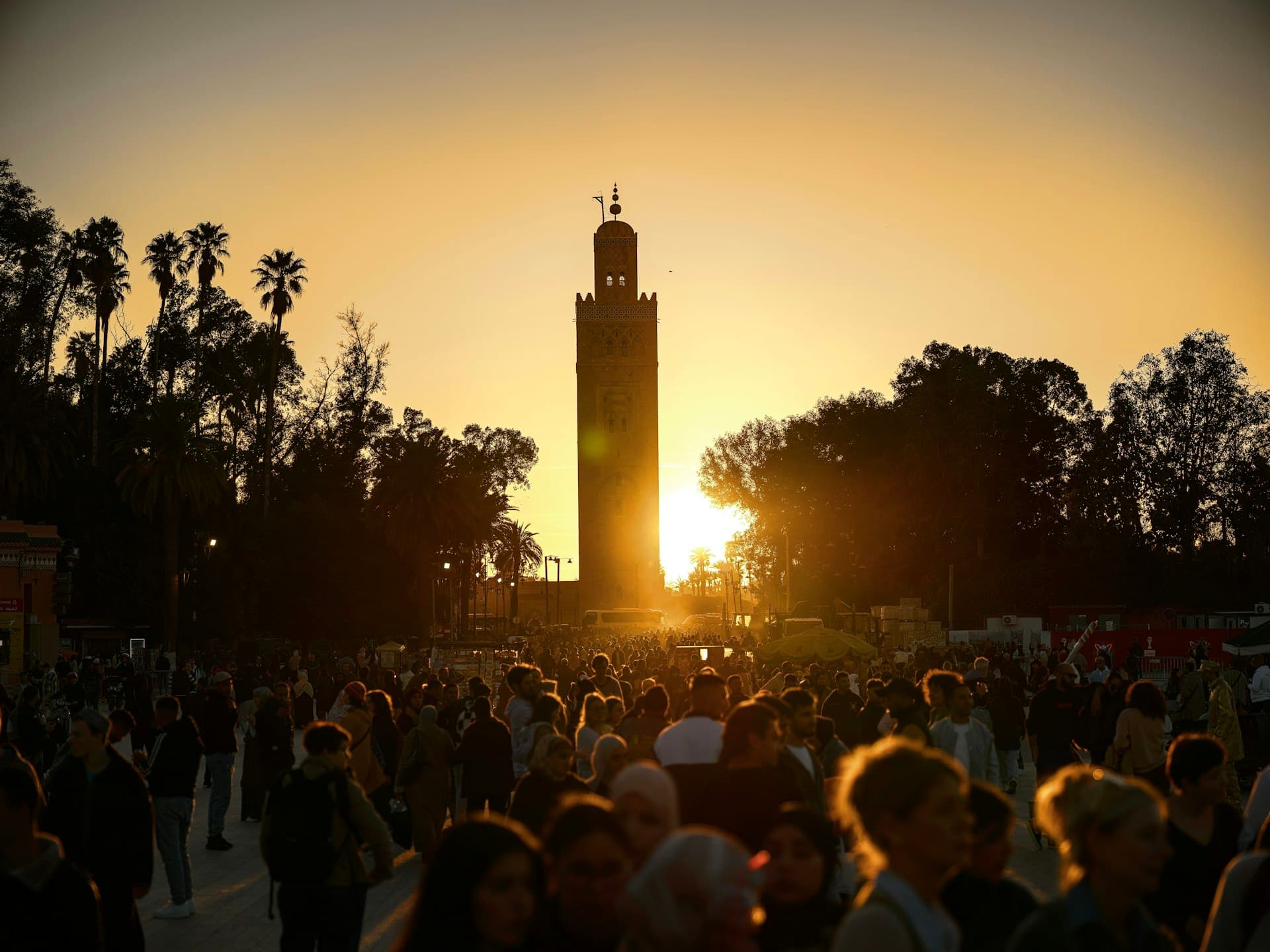
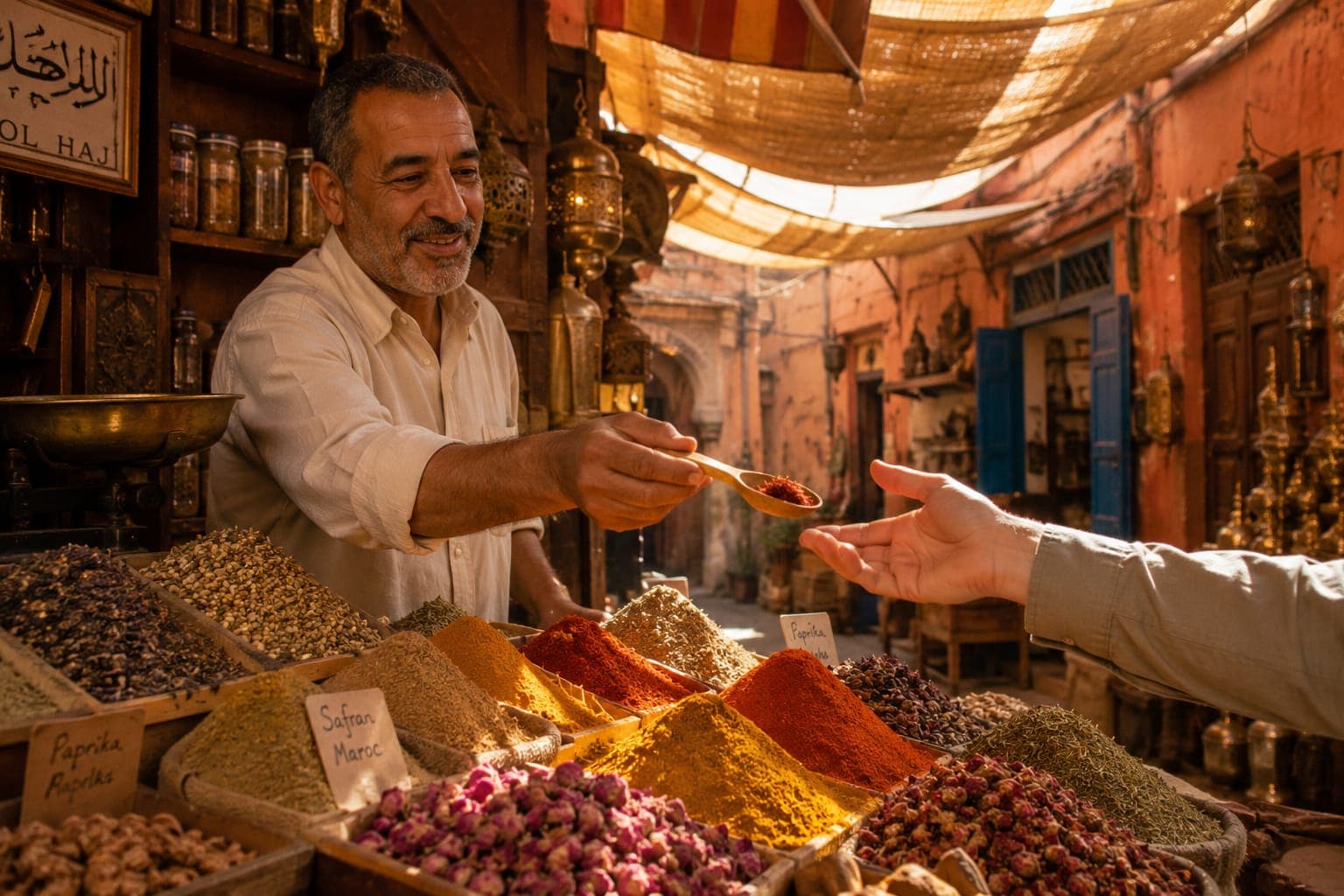
Yes — Marrakech is safe, and it is the city most of our American guests describe as their favourite by the end of the trip. The Marrakech medina has been a UNESCO World Heritage site since 1985 and is patrolled day and night by the Brigade Touristique, a dedicated police unit assigned specifically to the historic centre and the Jemaa el-Fnaa.
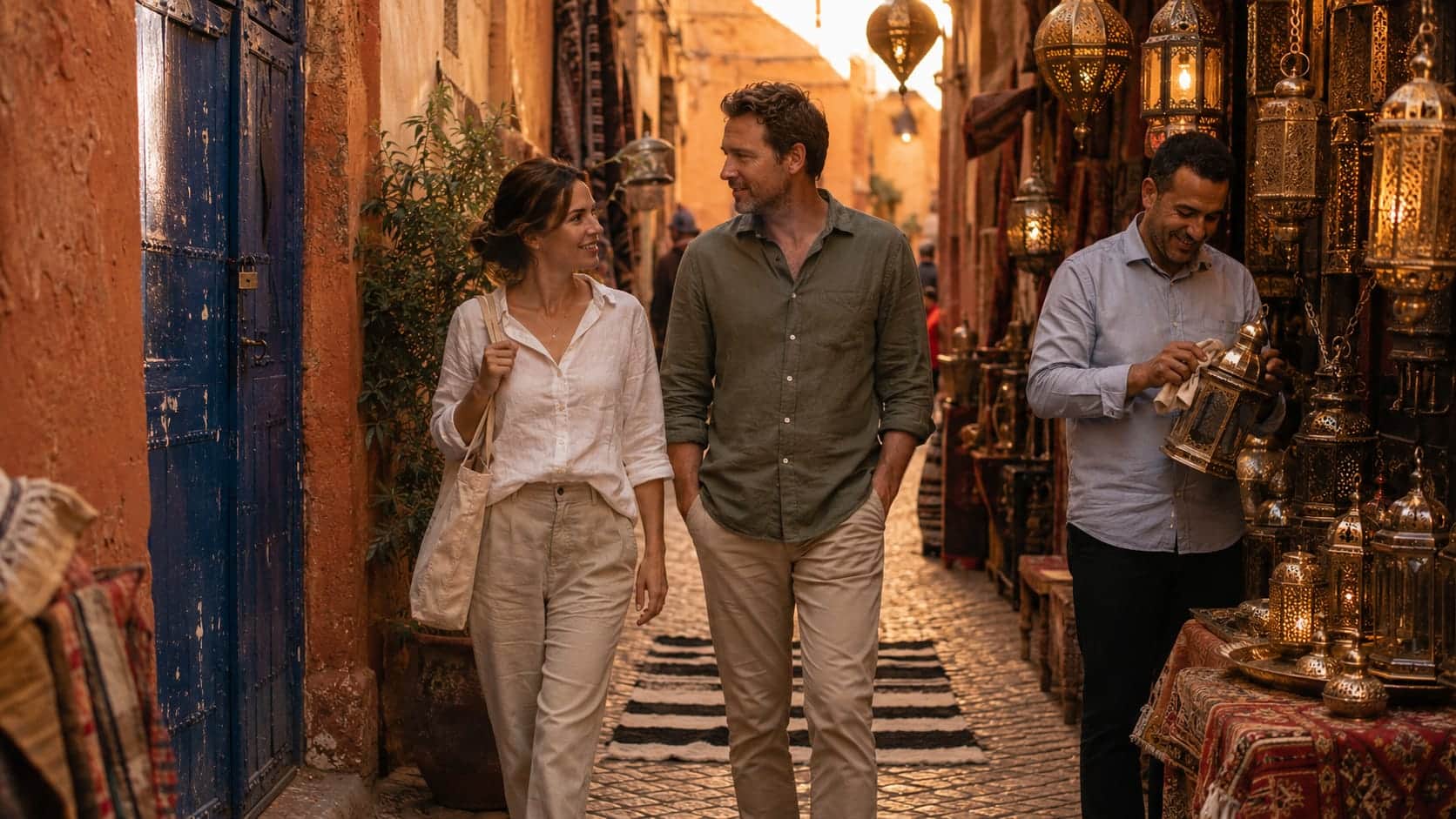
The friction that catches first-timers off guard is not crime — it is the density. The medina is roughly 700 hectares of unsigned alleys, and getting lost is part of the experience. The fix is not to avoid the medina; it is to walk it with someone who knows it. A private Marrakech tour with a local guide is the simplest way to navigate the souks without the language gap, the rigged-meter taxi disputes, or the cul-de-sac "shortcuts." Our guests walk through Jemaa el-Fnaa at 10 p.m. on their first night and ask why they were ever nervous.
Is Casablanca, Tangier, or Fes safe to visit?
All three, yes — with the same caveats as any major city anywhere. Each has a slightly different texture:
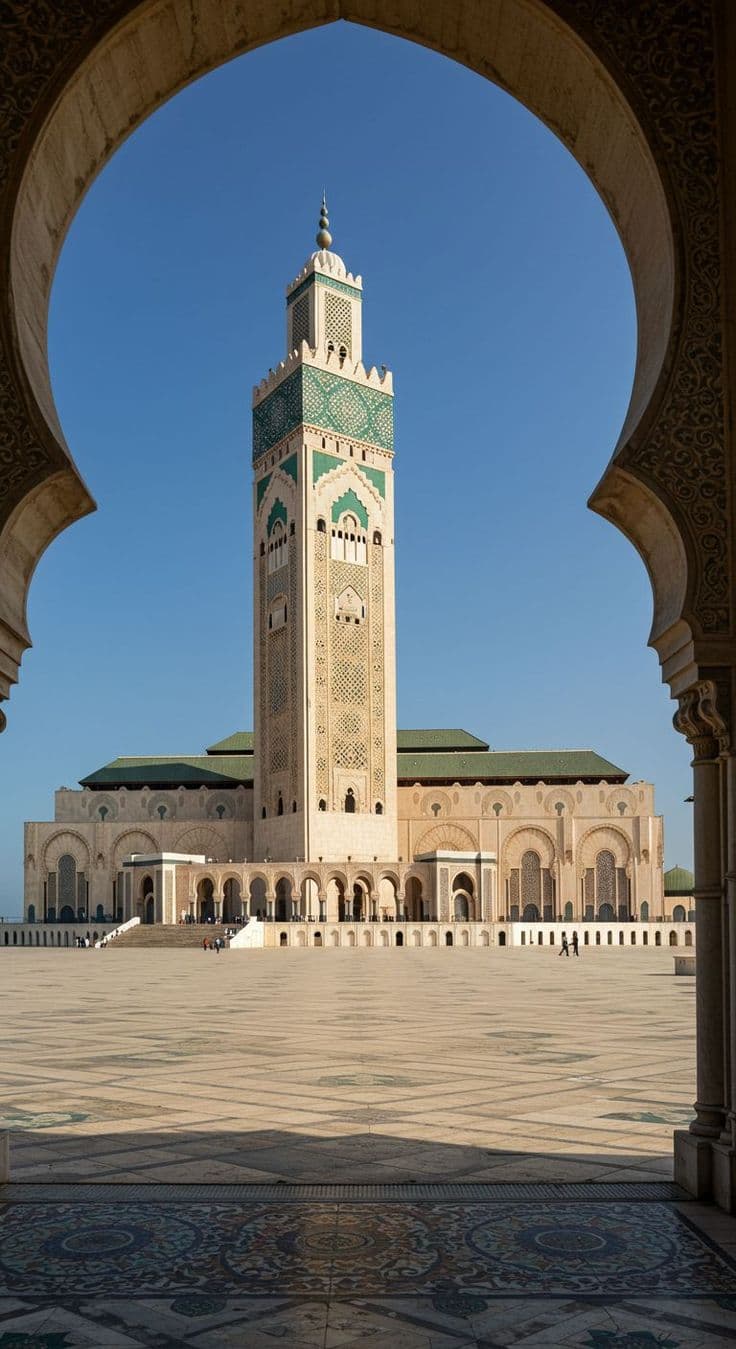
- [Casablanca](/destinations/casablanca) is Morocco's commercial capital and its largest city. It feels more like a Mediterranean port than the imperial Morocco of postcards — modern, fast, and home to the Hassan II Mosque (the second-largest mosque in Africa). Petty crime risk is similar to any large port city; the central business district and Corniche are safe day and night.
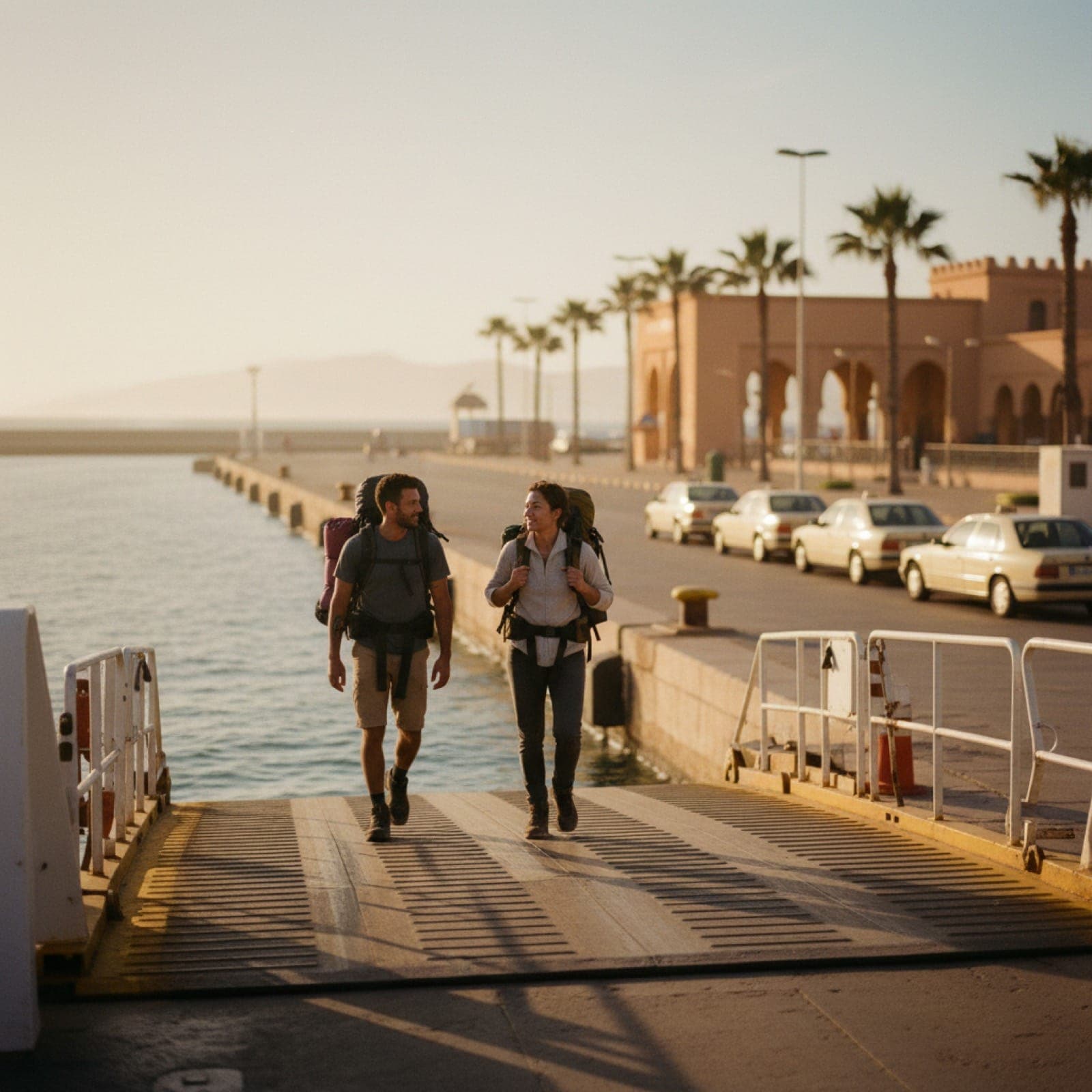
- [Tangier](/destinations/tangier) sits 35 minutes by ferry from Tarifa, Spain, and reads as the gateway between Europe and Africa. The medina is small and walkable; the new ville-nouvelle district is well-policed. Tangier had a rough reputation in the 1980s that no longer reflects today's city.
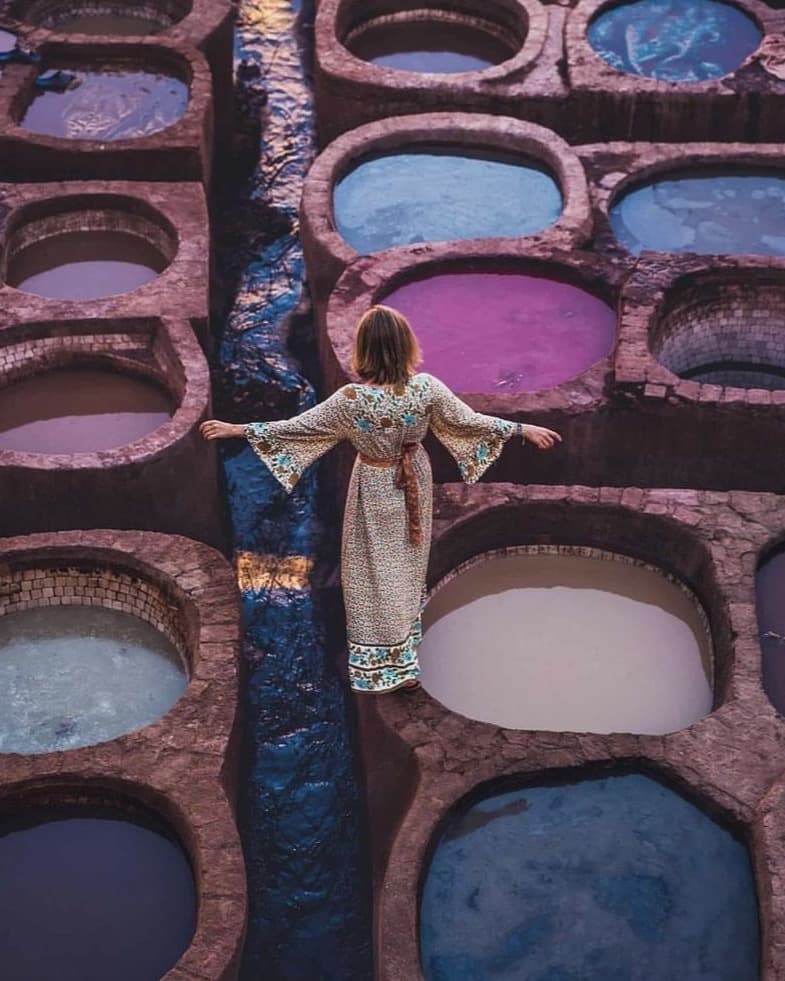
- [Fes](/destinations/fes) has the most labyrinthine medina in Morocco — over 9,000 alleys. Crime against tourists is rare, but the navigation challenge is real and a guide is more or less essential here, not just convenient.
Is Morocco safe for women and solo female travelers?
Yes — and the experience of solo female travelers in Morocco is far better than the dated stereotypes suggest. Catcalling does happen in the medinas; it is the same low-level urban annoyance that women travelers report from Rome, Naples, or Cairo. Physical safety risk is genuinely low.
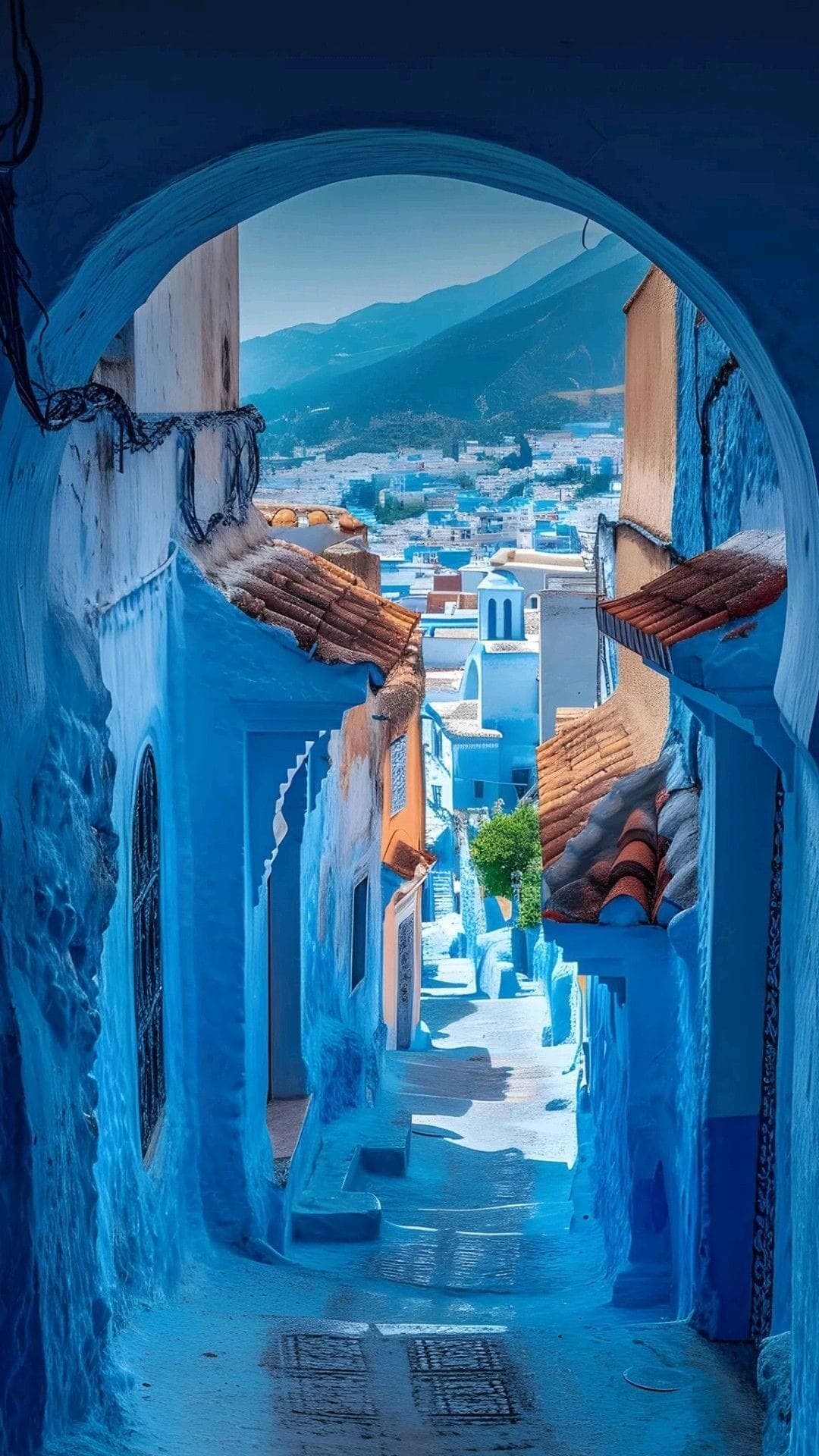
The practical advice is the same advice you would follow in any unfamiliar large city: dress in a way that respects local norms (shoulders and knees covered in the medina; no need to cover hair), avoid completely empty alleys after dark, use registered drivers and pre-booked riads. Cities like Marrakech and Fes have hundreds of women traveling solo every day; smaller towns like Chefchaouen and Essaouira are even quieter. A private guided tour removes every friction that women travelers consistently cite as their main concern: ambiguity. You know who is driving you, who is meeting you, and where you are sleeping every single night. If you're vetting operators specifically for solo or small-group safety, these 17 questions reveal in three minutes who actually has named drivers and same-WhatsApp continuity vs. who is a reseller layer.
Is Morocco safe for American families with kids?
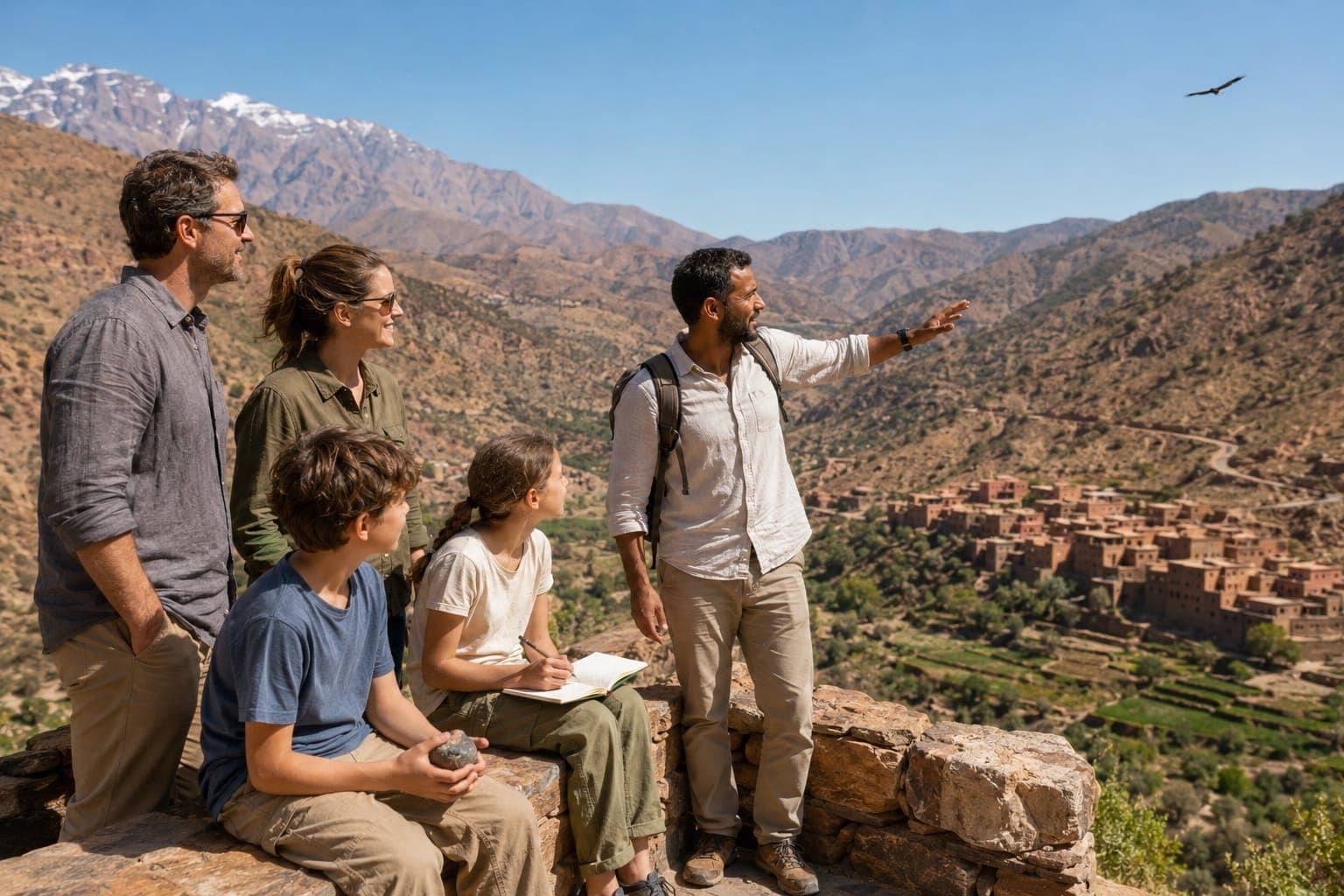
Yes — and Morocco is, quietly, one of the most child-friendly countries you can travel to. Moroccans are openly affectionate with kids in public; restaurants accommodate children without flinching; the riads our guests stay in often have small pools, family suites, and staff who treat kids as honoured guests rather than a logistical issue.
The practical adjustments are minor: pack a refillable water bottle (bottled water is cheap and everywhere), keep sun protection on hand in the south, and build in real downtime in the riads. Kids who would melt down at the Louvre tend to love Marrakech because the city is loud, sensory, and constantly interesting. Families on our 10-day tours regularly tell us their children's favourite memory was the camel ride at sunset in Merzouga, not the iPad on the plane home.
What are the real risks (and how to avoid them)?
Three friction events account for almost every Morocco-related complaint we have ever fielded. None of them are dangerous; all of them are avoidable:
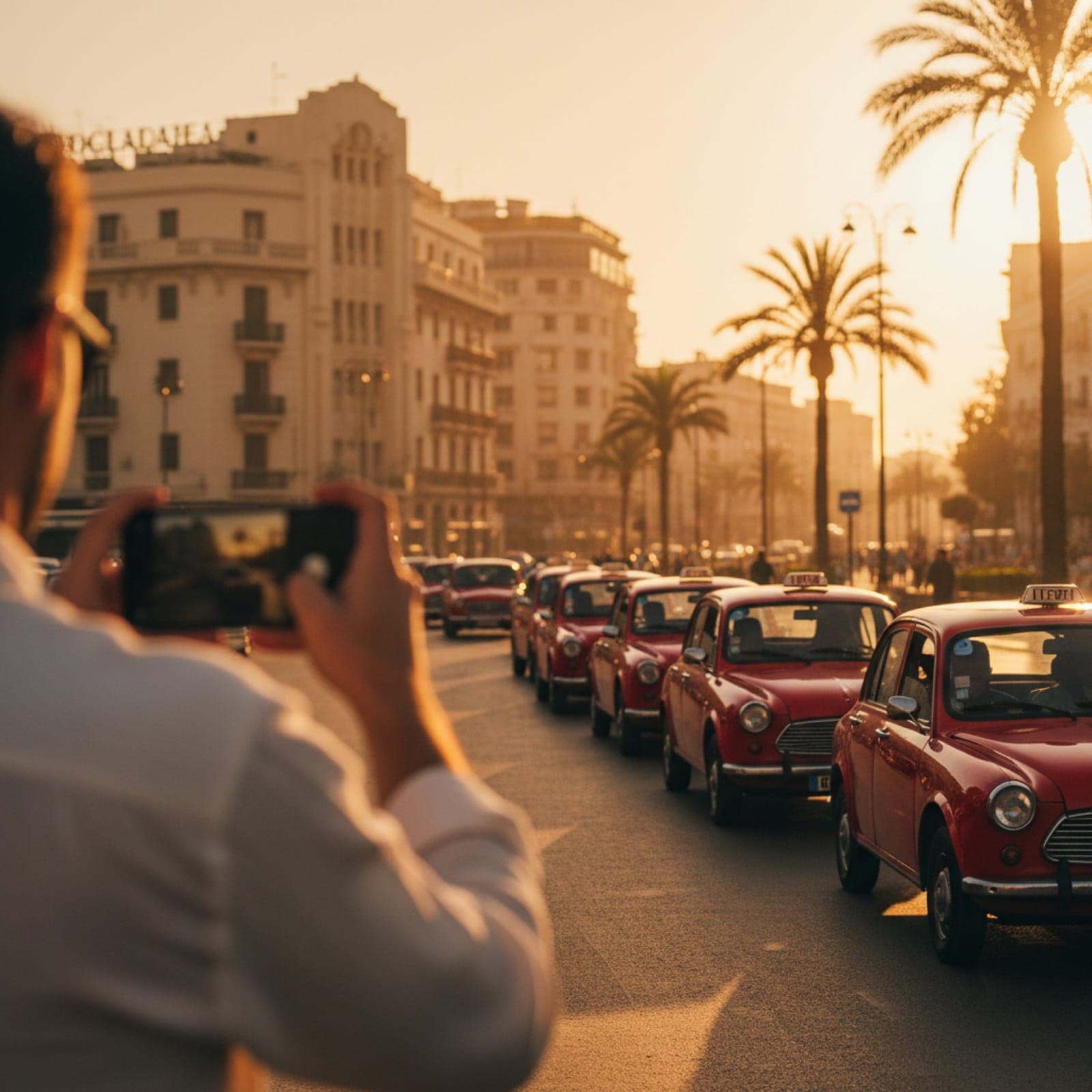
- Airport taxi over-charging. The fix: arrange your transfer in advance with the riad or operator. A pre-booked driver waiting at arrivals with a name card removes the negotiation entirely.
- The medina "directions" hustle. Someone (often a teenager) tells you the souk you are looking for is closed and offers to lead you to an "open" alternative — which is a relative's shop expecting a hard sell. The fix: walk with intent, decline politely, and use a local guide on day one so you can find your way back on day two.
- Photo etiquette. Asking before photographing people — especially women, snake charmers, and water-sellers in Jemaa el-Fnaa — is non-negotiable. Most people will say yes, sometimes for a small tip. Shooting candidly without asking is the fastest way to start an argument you will not enjoy.
On a properly designed private trip, these three issues simply do not arise. Our 10-day Grand Morocco tour builds the buffer that prevents 90% of these moments — drivers who handle every transfer, guides who walk the medinas with you, and pre-cleared photo stops in places where the locals expect cameras.
Is the tap water safe? Is the food safe?
Tap water in Moroccan cities is chlorinated and safe by local standards. Almost every traveler, including most locals when traveling, drinks bottled water — partly habit, partly because the mineral profile is different from what your gut is used to. A 1.5L bottle costs around 8 dirham (less than a dollar) and is sold everywhere. Use it for drinking and brushing teeth on the first three days; after that most guests transition to tap without issue.
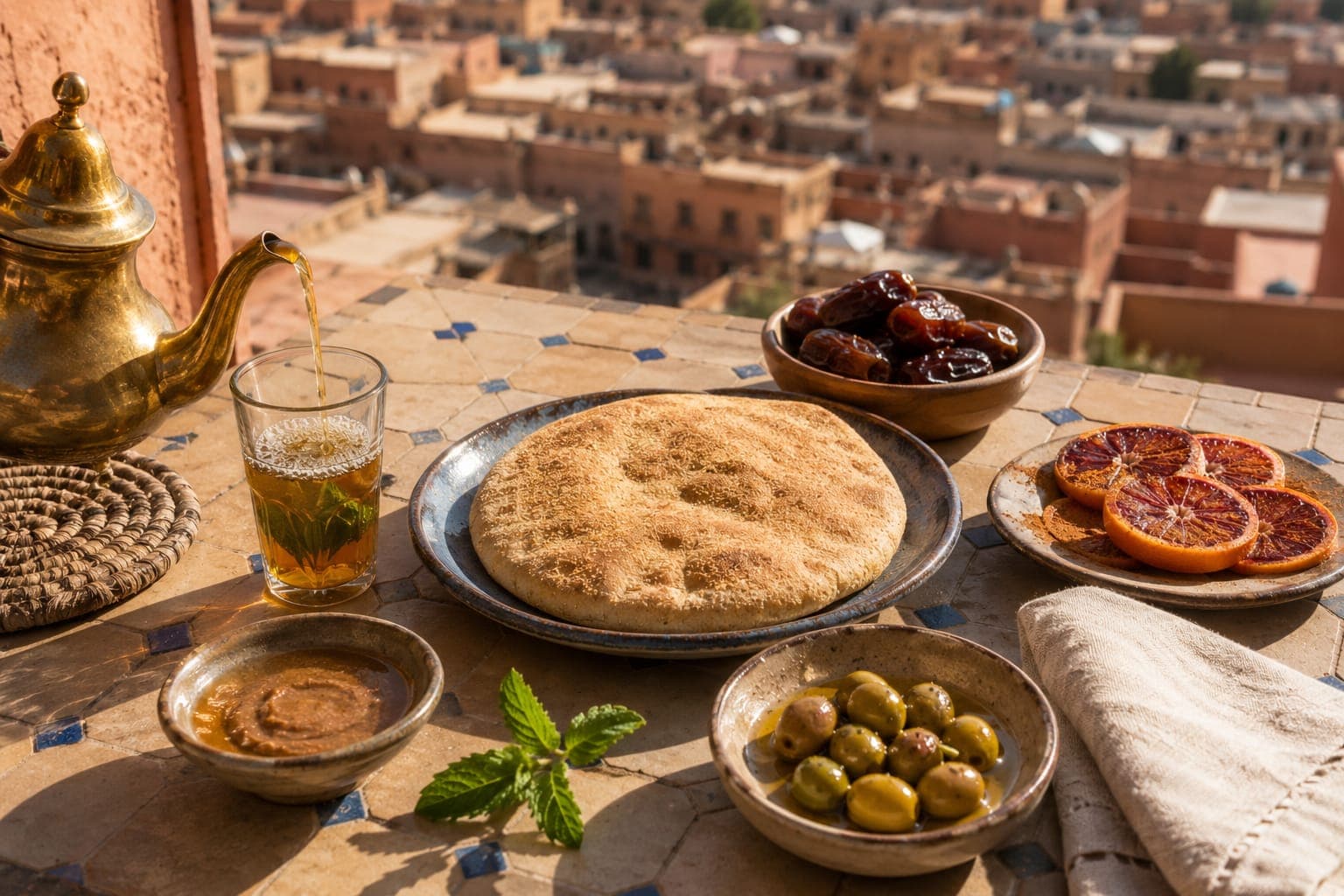
Food safety: Morocco's cuisine is one of the cleanest in the region. The riad breakfasts you'll eat — khobz, fresh oranges, olives, soft cheese, eggs, mint tea — are prepared in domestic kitchens and rarely cause stomach upset. Street food in busy stalls (high turnover = fresh) is similarly safe. The thing to avoid is buffet food sitting at lukewarm temperature in tourist-heavy hotels — common-sense food hygiene applies.
Do Americans need a visa or special documents?
No visa is required for U.S. passport holders staying up to 90 days. Your passport must be valid for at least six months past your entry date and have at least one blank page for the stamp. No vaccinations are formally required; the CDC recommends being up to date on routine immunizations and Hepatitis A/B for longer trips.
Travel insurance is strongly recommended but not legally required. The U.S. Embassy in Rabat and the U.S. Consulate General in Casablanca are reachable 24/7 for emergencies. Save the consular emergency number in your phone before you fly: +212 (0)5 22 64 20 99.
How a private local guide turns "safe" into "easy"
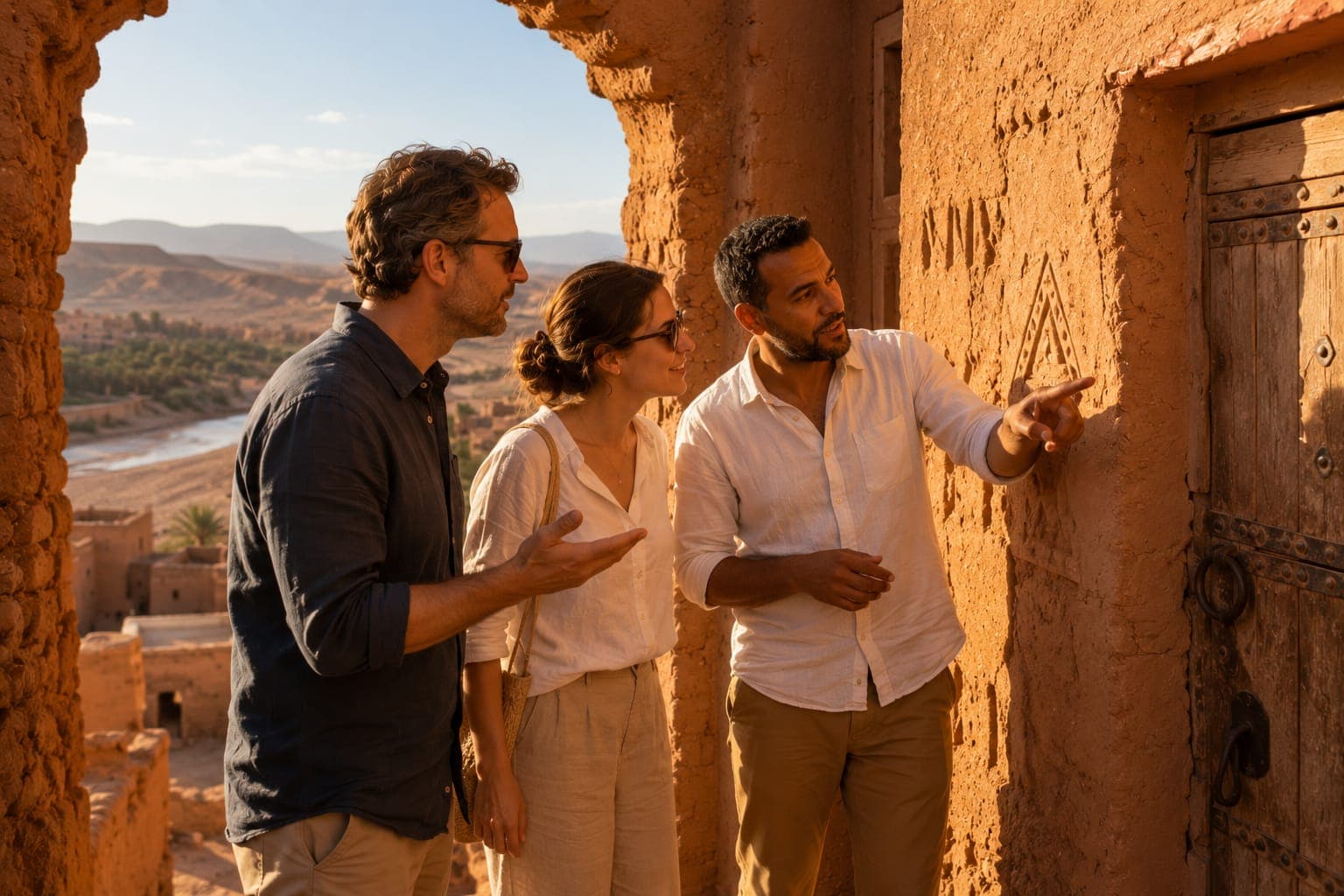
Here is the practical conclusion most travel articles avoid: "safe" is not the same as "easy." Morocco is genuinely safe — but it is also a country where road signs are in Arabic and French, where the medinas are unmapped, where the rhythm of a Berber market is different from anything you have navigated before, and where the difference between a great meal and a mediocre one is knowing which alley to turn down.
What we do at Morocco Beauty Spots is remove the friction that creates the perception of unsafety — not the unsafety itself, which is already low. Your driver is a vetted local; your guide is from the medina they walk you through; your riads are pre-booked and pre-paid; your itinerary has built-in slack for the moments that make the trip. A 10-day Grand Morocco tour from Casablanca or a 5-day route through Chefchaouen and the north is not a safety service. It is a tool that lets first-time visitors arrive at the country the way it deserves to be experienced — without the noise, without the anxiety, and without the small daily decisions that make solo travel exhausting.
If you would rather plan it yourself, this article is still the answer to your question: yes, Morocco is safe. If you want a local team to handle the friction so you can focus on the country — start planning your private Morocco trip.
Written by
Youssef El Alaoui
Lead Morocco Specialist
Born in Fes, based in Marrakech. Designs private itineraries for Morocco Beauty Spots and still argues mint tea is best in the Atlas.