The best months to visit Morocco are March-May and September-November. Avoid July-August (45°C heat) and January-February (Atlas snow). Month-by-month + region-by-region breakdown.
The best time to visit Morocco is March through May or September through November — warm days (22-28°C), cool nights, low rain, and the canonical shoulder-season prices. Avoid July-August (45°C+ in Marrakech and the Sahara) and January-February (cold + Atlas snow can close mountain routes). Within those windows the right month depends on which regions you're visiting.
Morocco's climate splits into 4 distinct zones — the Atlantic coast (mild, year-round), the imperial cities (Mediterranean — hot summers, mild winters), the Atlas mountains (alpine — snow Dec-Mar, mild summers), and the Sahara (extreme — comfortable winter days but freezing nights, brutal summer heat). A Marrakech-based travel specialist's honest take: pick your trip's anchor region, then optimize for THAT region's sweet spot, not the country's average.
The short answer — which month for which trip?
| Your trip is centered on... | Best months | Avoid | Why |
|---|---|---|---|
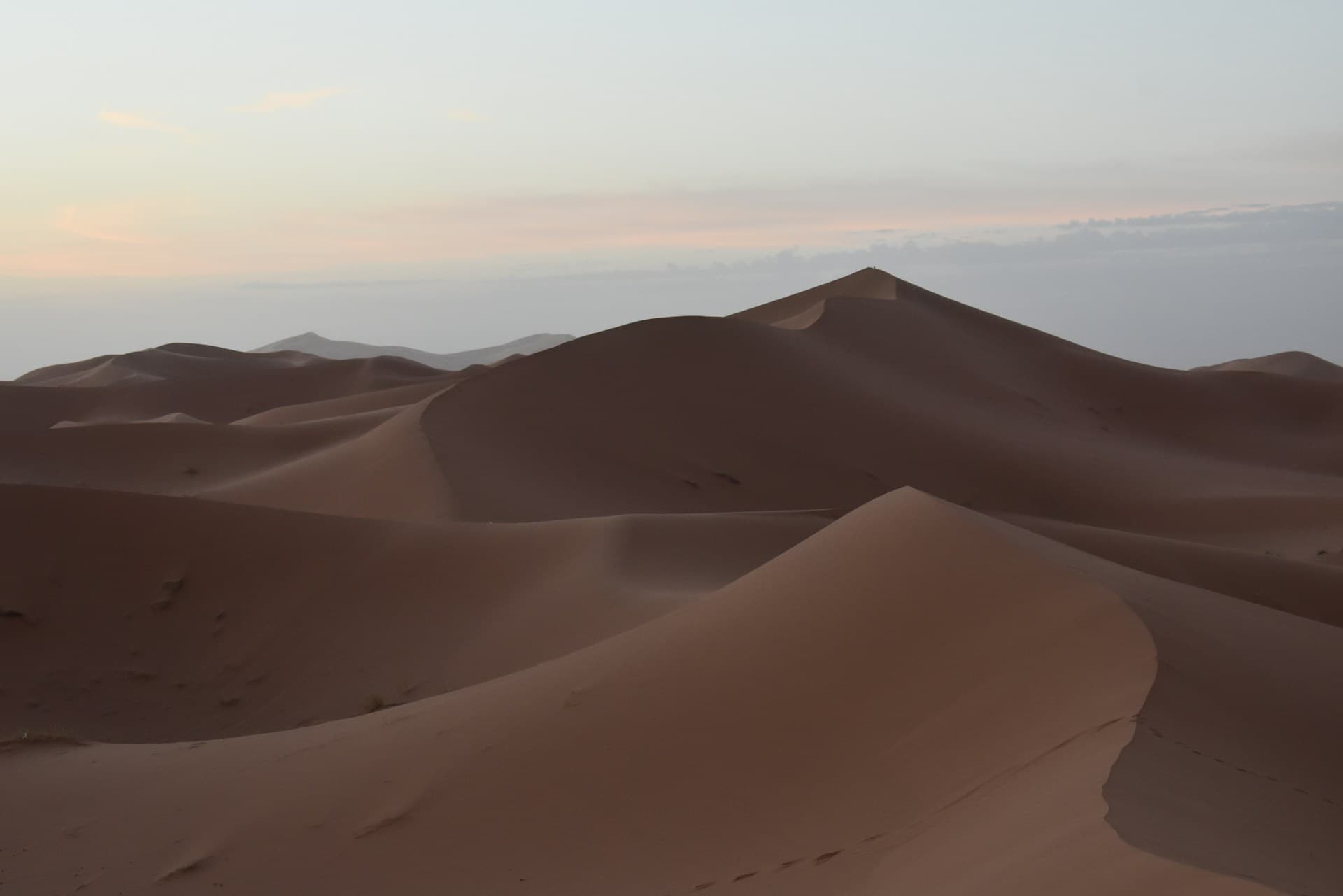
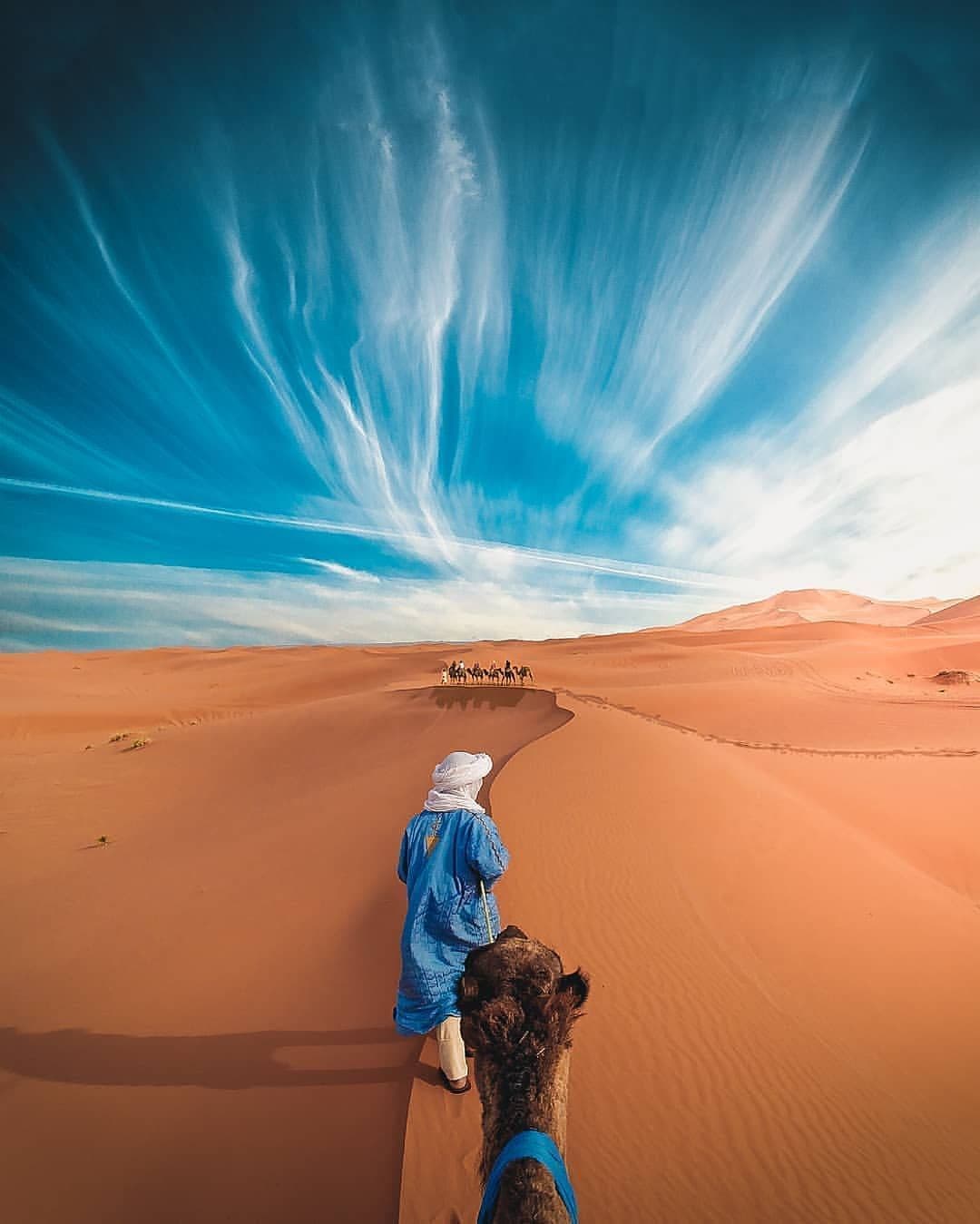
| Sahara overnight (Merzouga) | Oct-Apr (peak: Nov, Mar) | Jun-Aug (45°C+) | Comfortable dune temperature; clear skies; some operators close summer |
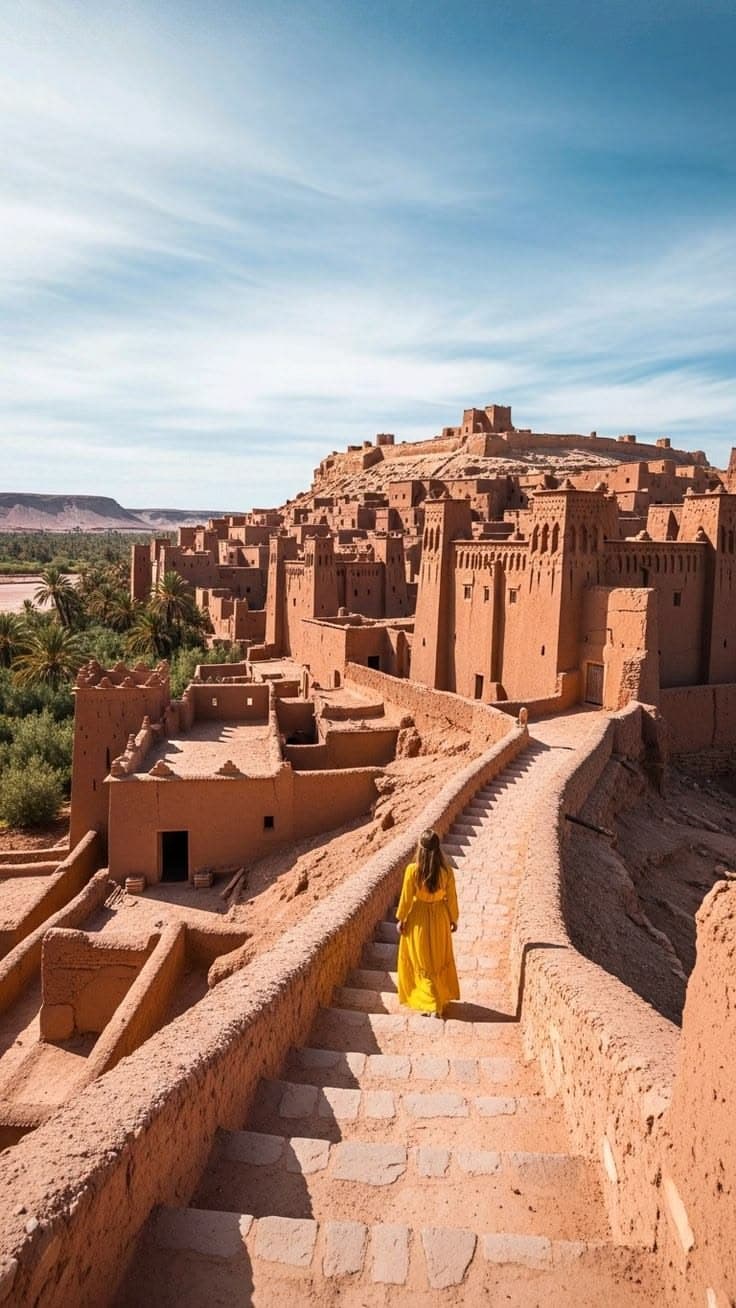
| Marrakech medina + souks | Mar-May, Sep-Nov | Jul-Aug (42°C+) | Cooler walking weather; rooftops usable at sunset |
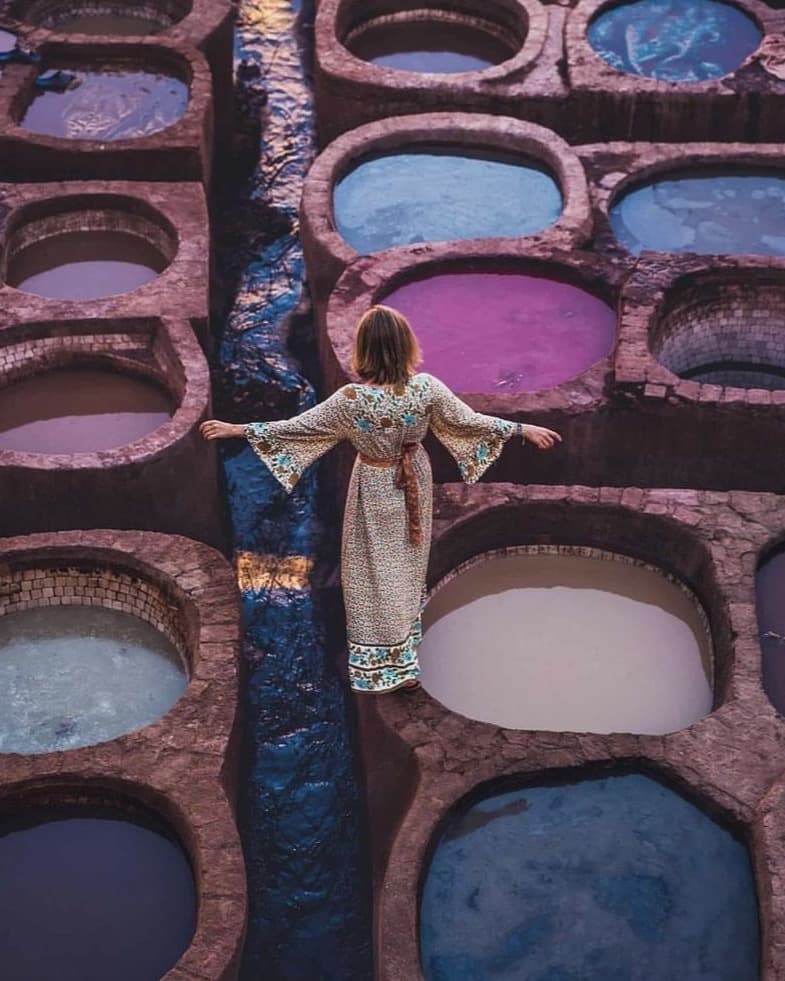
| Imperial cities (Fes, Meknes) | Apr-Jun, Sep-Oct | Jan-Feb (cold + rain) | Slightly cooler than Marrakech; spring greenery |
| Atlas trekking (Toubkal) | May-Oct | Nov-Apr (snow) | Safe without technical gear; clear trails |
| Atlas day trips (Ourika, Imlil) | Mar-Jun, Sep-Nov | Jan-Feb (snow closures) | Driveable passes; waterfall flow peaks Mar-May |
| Atlantic coast (Essaouira, Taghazout) | Apr-Oct (surf: Oct-Mar) | Dec-Feb (cold + wind) | Beach-able April onward; surf swells peak winter |
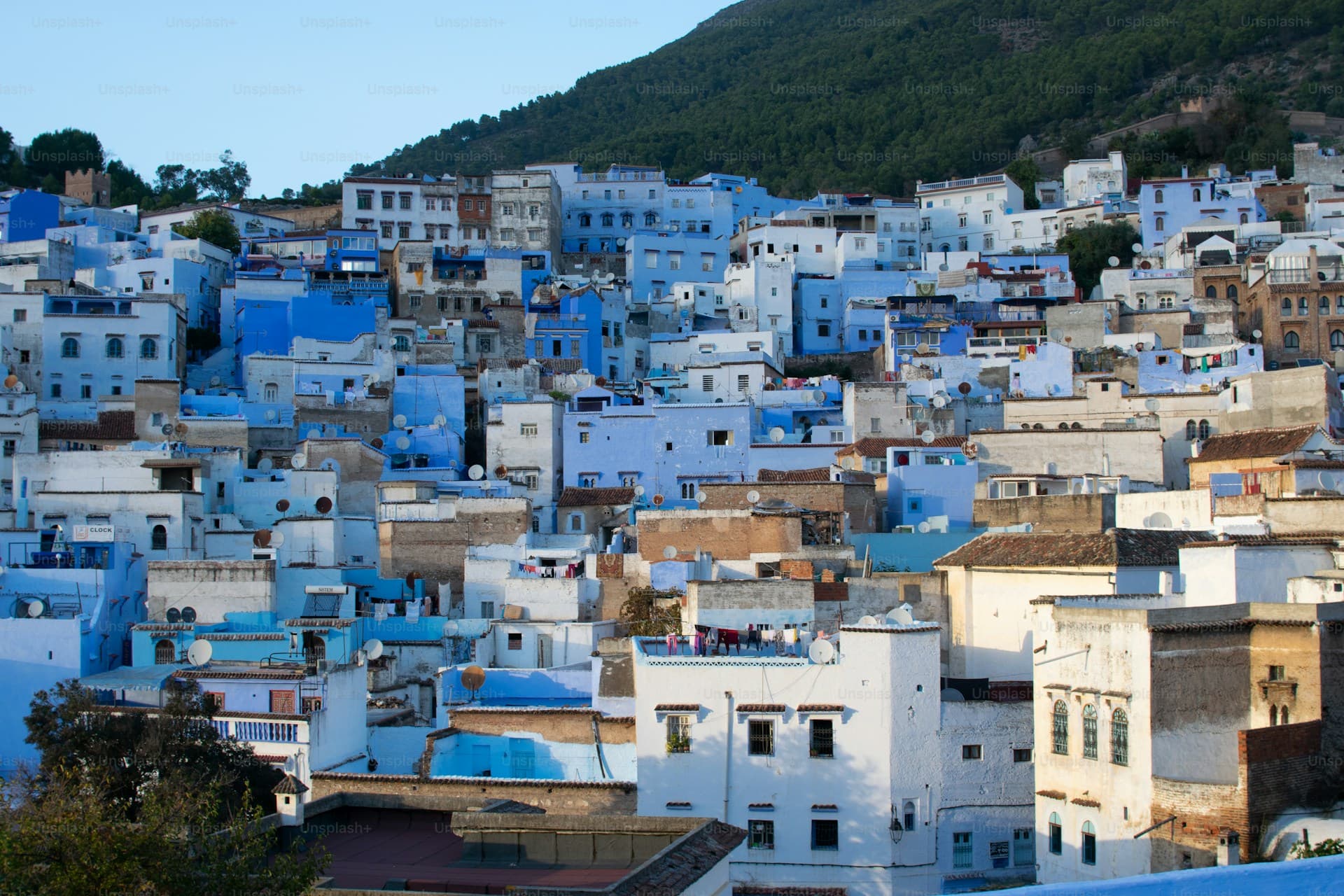
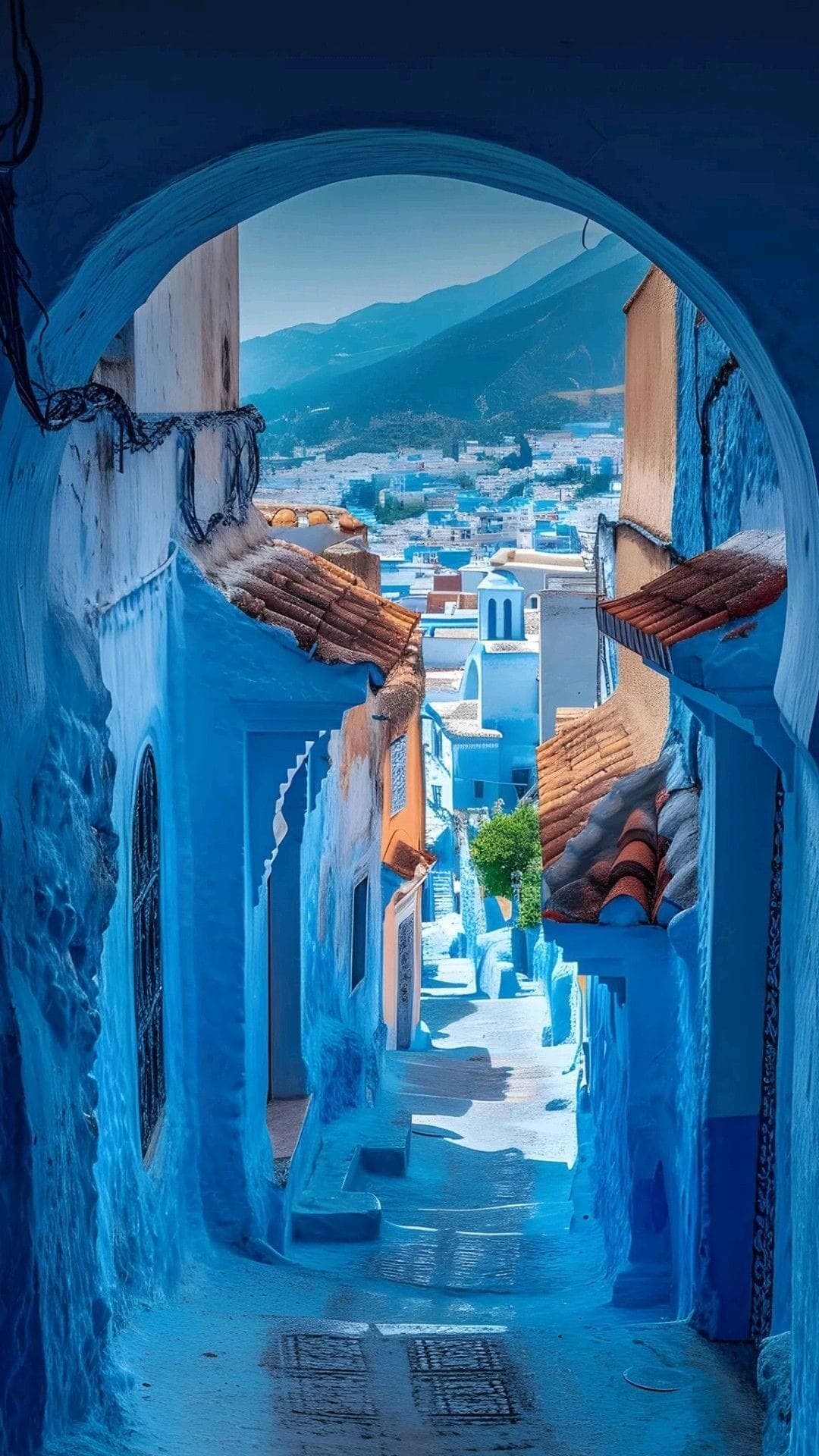
| Chefchaouen + Rif Mountains | Mar-May, Sep-Nov | Dec-Feb (cold + rain), Jul-Aug (day-tripper surge) | Cooler than Marrakech; fewer crowds |
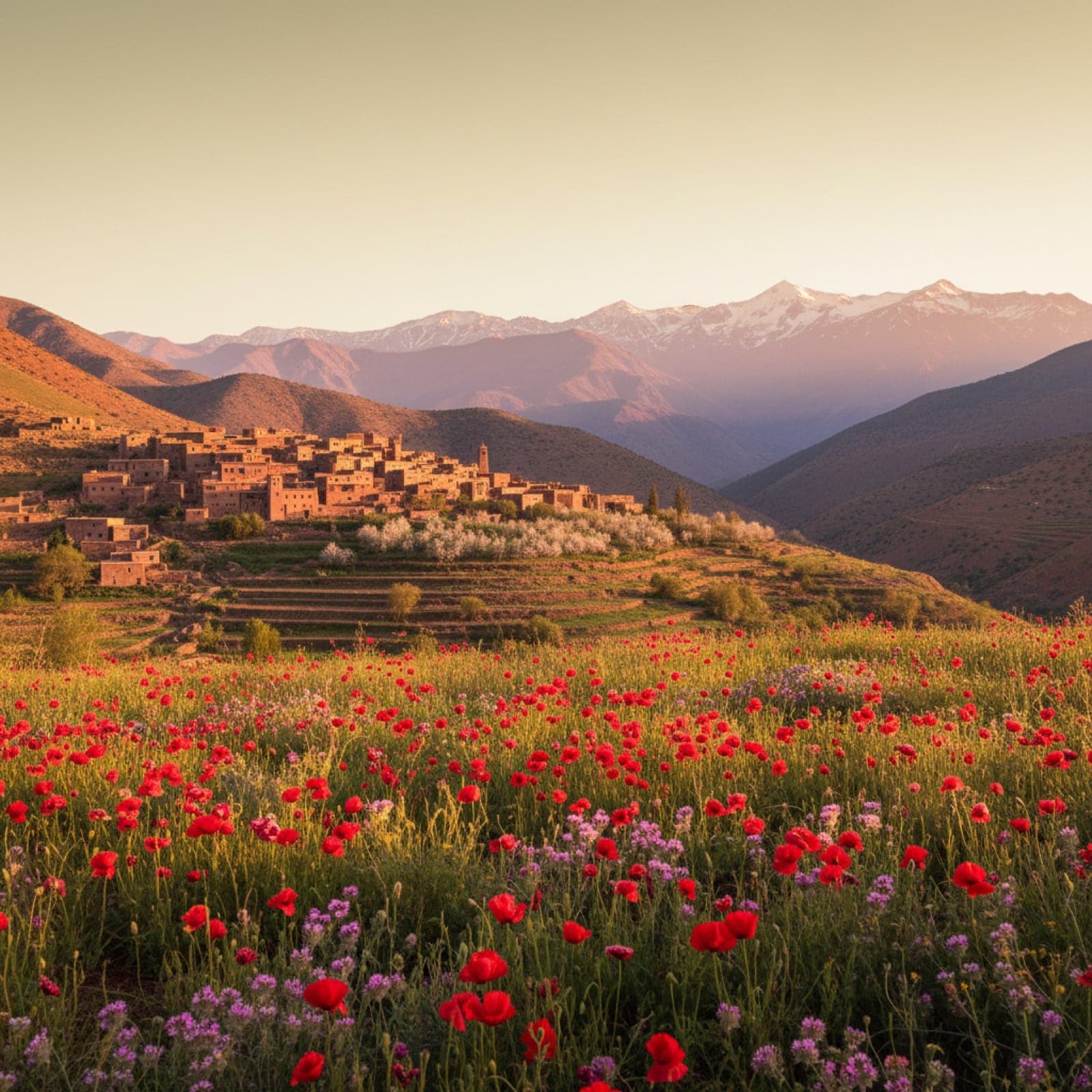
| Wildflower photography (Atlas almond, poppies) | Feb-Apr | Year-round otherwise | Almond blossom peaks Feb in Anti-Atlas; poppies Apr High Atlas |
For specific multi-region routing, see our Morocco itinerary guide which pairs each route to the right season.
Month-by-month Morocco — what to expect
January — winter low season
Marrakech: 19°C day / 6°C night. Crisp, mostly dry. Rooftop bars feel cool after sunset. Atlas: snow blocks Tizi n'Tichka 5-10 days a month on average; trekking gear-only. Sahara: comfortable days (22°C), genuinely cold nights (-2 to 5°C) — bring layers. Fes: 16°C day / 5°C night, occasional rain. Tourist crowds at their lowest. Hotel prices ~30-40% below peak.
Go in January for: budget travelers, photographers (clear winter light), Sahara overnighters who can handle cold-camp nights, anyone who hates crowds. Skip January if: you want to hike Toubkal or warm beach days.
February — almond blossom + winter shoulder
Marrakech: 20°C day / 7°C night. Almond blossom blooms in the Atlas foothills late Feb — see our Tafraoute almond blossom post for the Anti-Atlas variant. Atlas: still snowy at altitude; lower elevation valleys driveable. Sahara: same as January, slightly warming. Coast: 18°C day, blustery.
Go in February for: almond-blossom photography, Anti-Atlas Tafraoute trips, off-season Marrakech.
March — start of peak season
Marrakech: 23°C day / 10°C night. The bougainvillea begins blooming. Atlas: snow clears from passes by mid-March most years; trekking opens up. Sahara: ideal — 28°C day / 12°C night. Fes: 22°C day, occasional rain — bring a light jacket. Coast: 20°C day, surfing conditions strong.
Go in March for: the canonical Morocco trip — every region is workable. Booking pressure starts rising late March.
April — peak season opens
Marrakech: 25°C day / 12°C night. Wildflowers peak in the Atlas. Sahara: 32°C day / 15°C night — warm but still pleasant. Coast: beach-able days start. Fully booked weekend-of-Easter. Riad prices high; book 3+ months ahead for Easter week.
Go in April for: photography, hiking, the broadest Morocco-coverage trip. Avoid Easter week if you can — both prices and crowds spike.
May — best single month for Morocco
Marrakech: 28°C day / 14°C night. The poppies bloom in the High Atlas. Sahara: 35°C day — comfortable for camel treks but Aug-level by month-end. Coast: warm beach days, Atlantic still slightly cool. Fes: 27°C day. Festivals: Fes Festival of Sacred Music typically late May/early June.
Go in May for: photographers (best light of the year), couples (good weather everywhere), first-timers wanting the iconic photos. Our most-recommended single month.
June — early summer transition
Marrakech: 32°C day / 17°C night. Sahara: 40°C day — the upper edge of comfort; some camps shift to sunset-and-overnight-only schedules. Coast: 25°C, Atlantic breeze keeps Essaouira comfortable. Atlas: cool relief from the cities; Toubkal summit window opens.
Go in June for: Atlas trekking, coast trips, Marrakech IF you accept early-morning + evening medina only. Skip the Sahara overnight unless you're heat-tolerant.
July — peak summer, full heat
Marrakech: 38°C day / 22°C night. The medina becomes a furnace 11 AM-5 PM. Sahara: 45°C+ days — many operators close or shift to sunrise-only routings. Coast: 26°C, the only comfortable region; Essaouira's wind keeps it cool. Atlas: 25°C at altitude — the smart base in summer.
Go in July for: budget travelers (~40% lower prices), Atlas + coast trips, Berber wedding season in the mountains. Skip Marrakech medina-only itineraries; pair with Atlas escape.
August — peak summer continued
Marrakech: 39°C day. Worst month for medina sightseeing. Sahara: avoid. Coast: 27°C, peak European tourist crowds in Essaouira (Spanish/French school holidays). Atlas: 26°C — coolest in the country. Local festival season — Imilchil bride-finding moussem typically mid-August (an authentic Berber cultural moment if you can time it).
Go in August for: Atlas-only trips, beach trips, anyone who travels in August because they have to. Most NBS bookings shift to coast + mountain routes in Aug.
September — peak season resumes
Marrakech: 33°C early Sep, dropping to 28°C by month-end. Mid-Sep onward is canonical-trip weather. Sahara: 35°C day, 18°C night — comfortable for camel treks again. Coast: warm beach days continue. Atlas: ideal hiking weather.
Go in September for: returning travelers wanting peak conditions without spring's tourist crowds, late-summer-school-holiday families.
October — best autumn month
Marrakech: 28°C day / 14°C night. Sahara: 30°C day, 14°C night — the sweet spot. Coast: 24°C, surf swells start (Atlantic). Fes: 26°C, clear light. Atlas: trekking peaks; foliage in Middle Atlas cedar forests.
Go in October for: photographers (the cleanest light of the autumn), Sahara overnighters, anyone wanting May's weather with smaller crowds.
November — late autumn, low season starts
Marrakech: 24°C day / 11°C night. Bougainvillea peaks. Sahara: 25°C day, 10°C night — pack for cool camp nights. Coast: 22°C, strong surf. Atlas: snow line drops to ~2,500m by month-end. Tourist crowds drop significantly mid-month.
Go in November for: shoulder-season pricing with still-warm weather, less crowded medina, autumn photography.
December — winter low season
Marrakech: 20°C day / 7°C night. Christmas + NYE weeks spike (book 4-6 months ahead). Sahara: 22°C day, 5°C night — cold camps; some operators offer heated tents. Atlas: snow on the high passes; skiing at Oukaïmeden possible mid-Dec onward. Coast: 18°C, surf-strong.
Go in December for: Christmas/NYE escapes (premium pricing but unique), skiers (yes, Morocco has skiing), photographers wanting clear winter light.
What about Ramadan?
Ramadan 2026 runs February 17 to March 19. It's a question every Morocco-bound traveler needs to think about, but it doesn't mean you can't go.
- What changes: Many local cafes + food stalls close during daylight. Some operate reduced hours. Restaurants in tourist medinas + riads stay open daytime to serve visitors.
- What doesn't change: Hotels, riads, museums, sites, transport, day trips, drivers — all normal.
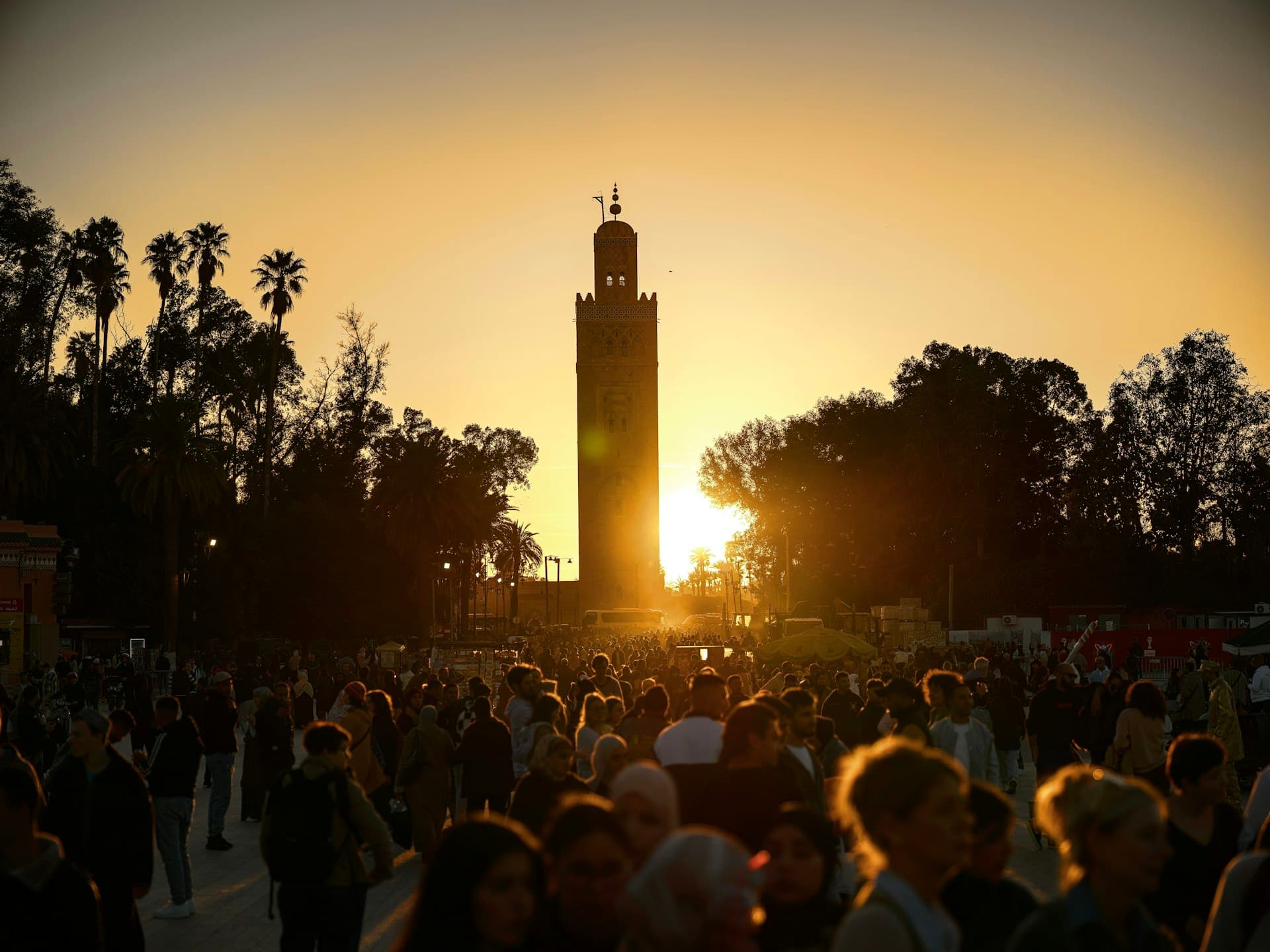
- The atmosphere upside: Evenings after iftar (sunset meal) are festive. Jemaa el-Fna at 9 PM during Ramadan is one of the more memorable Marrakech experiences.
- Driver/guide note: A Ramadan-observing driver eats at sunset only. Plan stops accordingly; offer iftar pause time in the schedule.
Verdict: Ramadan is fine to visit if you're flexible about restaurant timing and want the cultural-evening upside. Skip only if you require breakfast in the medina at 9 AM (it's harder to find).
When to book vs when to travel
| Travel month | Demand level | Book by | Why |
|---|---|---|---|
| April (Easter), Oct, May | Peak | 3-6 months ahead | Riads in Marrakech medina fill first; Sahara luxury bivouacs second |
| Mar, Jun, Sep, Nov | High | 2-3 months ahead | Still selling out but more flexibility |
| Dec (Christmas/NYE) | Spike | 4-6 months ahead | Holiday pricing + limited availability |
| Jan, Feb | Low | 4-6 weeks | Plenty of room except Atlas during snow weeks |
| Jul, Aug | Low (coast: high) | 4-8 weeks (coast: 2-3 months) | Heat keeps inland demand down; Essaouira spikes |
Frequently asked questions
What is the best time of year to visit Morocco?
March through May and September through November are the optimal windows for nearly all of Morocco. Warm days (22-28°C), cool nights, low rain. May and October are the two single best months — May for spring wildflowers and clearest light, October for autumn light with smaller crowds than spring. Avoid July-August (45°C+ inland) and January-February (cold + Atlas snow closures) unless you have specific reasons.
What is the best month to visit Morocco?
May for first-time visitors — every region is at its best, the bougainvillea blooms, daylight is long, and the heat hasn't peaked. October is the close second for those wanting smaller crowds. March is a solid choice if you want the desert overnight at peak comfort. September works well for late-summer-school-holiday families.
When is the best time to visit Marrakech?
March-May and October-November — 22-28°C days, mild nights, walkable medina. Avoid July-August (42°C+ makes the medina rough between 11 AM and 5 PM). December-January is mild (19-22°C days) and crowd-free; Christmas + New Year's spike prices significantly. See our things to do in Marrakech for the season-by-activity breakdown.
Is Morocco worth visiting in summer?
Yes, but pick your regions carefully. Atlas mountains and the Atlantic coast (Essaouira, Taghazout) stay comfortable. Marrakech medina, the Sahara, and the imperial cities are 40-45°C+ — survivable if you accept early-morning + evening sightseeing and lean on riad pools. Prices drop ~30-40% in summer, making it the budget-traveler's season if you can handle the heat.
Can I visit the Sahara in any season?
Best months for the Sahara overnight: October through April. November and March are the peak — 28-32°C days, 12-18°C nights, clear skies. December-January have comfortable days but genuinely cold nights (sometimes below freezing) — heated luxury bivouacs solve this. June through August: avoid. 45°C+ days, some operators close, dune walking is miserable. May and September are transitional — workable but warm.
Does it rain in Morocco?
Rarely in summer (almost never May-September). Atlas mountains get most of the rainfall (and snow December-March). Atlantic coast: light winter rain November-March. Imperial cities (Fes, Meknes): occasional winter rain. Sahara: virtually no rain ever — when it does (once every 2-3 years), it's a brief flash storm. Plan for sun + bring a light jacket November-March; otherwise rain isn't a trip-planning factor.
Now build your Morocco trip
Pick your season, then layer in routing — our Morocco itinerary guide has 4 sample routes (5, 7, 10, 14 days) mapped to the right season. For experience-by-experience picks, see things to do in Morocco. When you're ready, our trip planner returns a tailored itinerary within 24 hours.
Written by
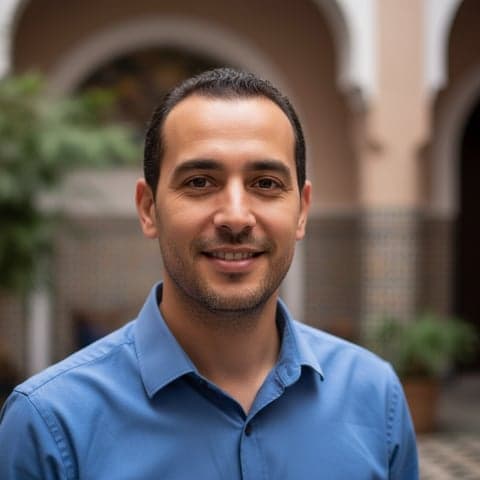
Youssef El Alaoui
Lead Morocco Specialist
Born in Fes, based in Marrakech. Designs private itineraries for Morocco Beauty Spots and still argues mint tea is best in the Atlas.